
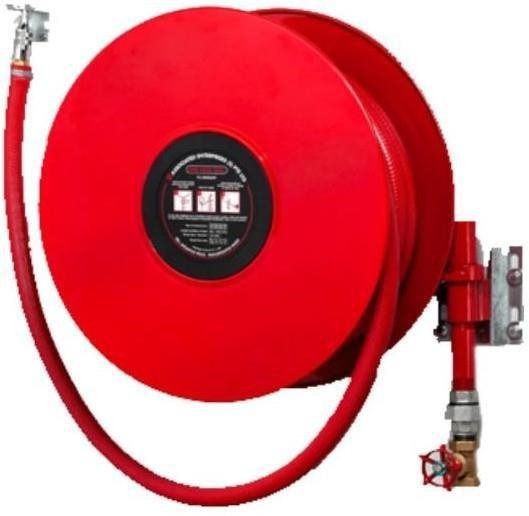
7 Fire extinguishers types & Their Uses in Schools, Homes & Workplaces
In recent years, the country has witnessed heartbreaking cases of school fires, some destroying dormitories, classrooms, libraries, and school property worth millions. Beyond property damage, such incidents disrupt learning, create fear among students, and put lives at risk. In many situations, fires spread quickly because of delayed response, lack of proper firefighting equipment, or limited knowledge on how to respond during emergencies.
One of the most effective ways to reduce the impact of school fires is by ensuring schools are equipped with the right fire extinguishers and that students, teachers, and staff are trained on how to use them. Fire extinguishers should not only be present — they should be placed in locations that are easy to reach during emergencies such as dormitory entrances, hallways, laboratories, dining halls, kitchens, and classroom blocks.
Teaching students basic fire safety and how to use extinguishers can make a major difference. In an emergency, a student or staff member who knows how to react quickly may help control a small fire before it spreads into a disaster. Schools should also conduct regular fire drills and ensure extinguishers are serviced and ready for use.
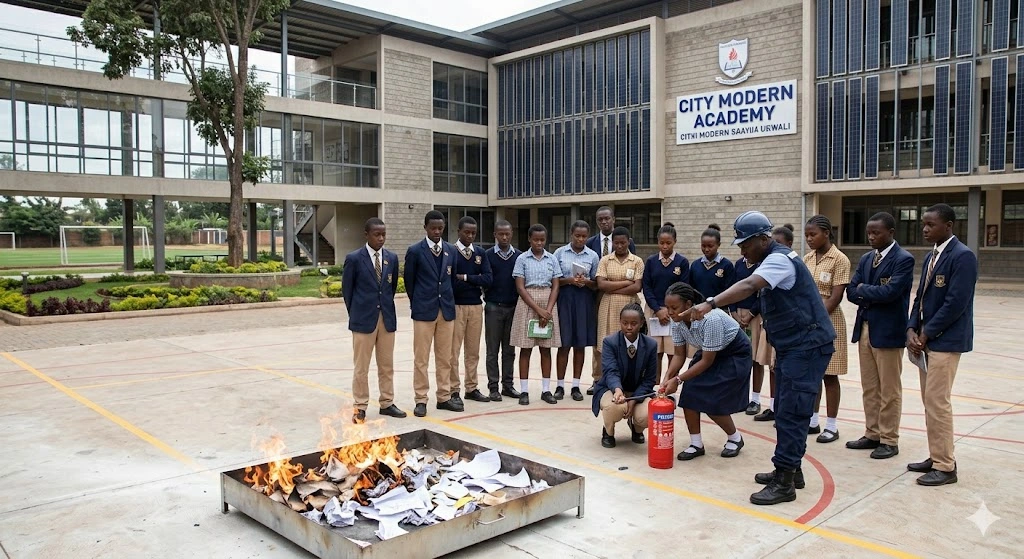
Understanding Fire extinguishers types and their uses is essential for maintaining safety in schools, homes, offices, factories, warehouses, and commercial buildings. Different fires require different extinguishers, and using the wrong type can worsen the situation or create additional hazards.
Why Understanding Fire extinguishers types & Their Uses Matters
Fire extinguishers are designed to combat specific types of fires. Choosing the correct extinguisher helps prevent injuries, minimize property damage, and improve safety.
For schools especially, understanding the Fire extinguishers types and their uses can help administrators prepare for emergencies and create safer learning environments.
Fire Extinguishers types & Their Uses by Fire Class
Class A Fires – Ordinary Combustible Materials
Class A fires involve solid combustible materials such as:
- Paper
- Wood
- Textiles
- Furniture
- Bedding materials commonly found in dormitories
Recommended Fire Extinguishers:
- Water Fire Extinguisher
- Foam Fire Extinguisher
- Dry Powder Fire Extinguisher
- Wet Chemical Fire Extinguisher
These are especially useful in classrooms, libraries, dormitories, and offices.
Class B Fires – Flammable Liquids
Class B fires involve flammable liquids such as:
- Petrol
- Diesel
- Paints
- Solvents
Recommended Fire Extinguishers:
- Foam Fire Extinguisher
- Dry Powder Fire Extinguisher
- Carbon Dioxide (CO₂) Fire Extinguisher
These are commonly needed in school workshops, laboratories, garages, and maintenance areas.
Class C Fires – Flammable Gases
Class C fires involve gases such as:
- Propane
- Butane
- Methane
Recommended Fire Extinguisher:
- Dry Powder Fire Extinguisher
These extinguishers are suitable for kitchens and areas where gas cylinders are used.
Class F Fires – Cooking Oils and Fats
Class F fires are common in:
- School kitchens
- Restaurants
- Dining facilities
Recommended Fire Extinguisher:
- Wet Chemical Fire Extinguisher
This extinguisher helps suppress dangerous cooking oil fires and prevents re-ignition.
Electrical Fires
Electrical fires can occur due to:
- Faulty wiring
- Overloaded sockets
- Electrical appliances
- Laboratory or computer equipment
Recommended Fire Extinguishers:
- Carbon Dioxide (CO₂) Fire Extinguisher
- Dry Powder Fire Extinguisher
CO₂ extinguishers are ideal because they do not damage electrical equipment.
Where Fire Extinguishers Should Be Placed in Schools
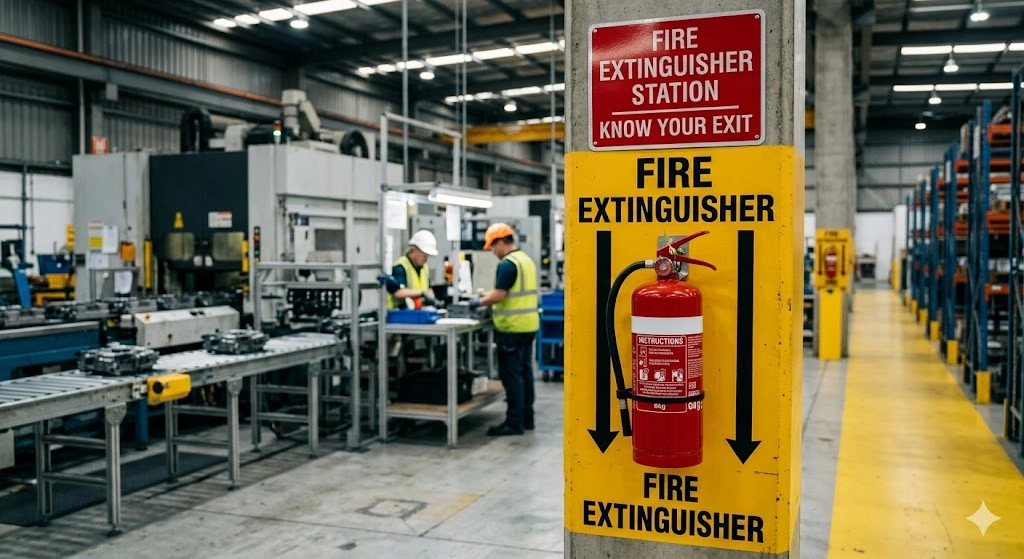
To improve emergency response, fire extinguishers should be installed in highly visible and easily accessible areas, including:
- Dormitory entrances and exits
- Hallways and corridors
- School kitchens and dining areas
- Science laboratories
- Libraries
- Computer rooms
- Administrative offices
Extinguishers should never be locked away or hidden in hard-to-reach places. During emergencies, every second matters.
Teaching Students How to Use Fire Extinguishers
Schools should train students and staff on basic extinguisher use. One common method is the PASS technique:
- P – Pull the safety pin
- A – Aim at the base of the fire
- S – Squeeze the handle
- S – Sweep side to side
Regular training and fire drills can help students react calmly and safely in emergencies.
Fire Extinguisher Colour Coding
Modern fire extinguishers have a red body with colour bands to indicate their contents.
Water Fire Extinguisher
Colour Band: Red
Best For: Paper, wood, and fabrics.
Foam Fire Extinguisher
Colour Band: Cream
Best For: Class A and B fires.
Dry Powder Fire Extinguisher
Colour Band: Blue
Best For: Gas, electrical, and flammable liquid fires.
Carbon Dioxide (CO₂) Fire Extinguisher
Colour Band: Black
Best For: Electrical fires.
Wet Chemical Fire Extinguisher
Colour Band: Yellow
Best For: Kitchen oil and fat fires.
Places That Should Never Miss Fire Extinguishers
Understanding different fire extinguishers types is important because every environment faces unique fire risks that require specific protection. Having the correct extinguisher in the right location can help stop a small fire from becoming a major disaster, reduce damage, and save lives. From schools and hospitals to homes and workplaces, proper fire safety preparation should never be ignored.
Schools and Learning Institutions
Schools are among the most important places that should never miss fire extinguishers due to the large number of students, teachers, and staff present every day. Dormitories, laboratories, kitchens, classrooms, and libraries all present different fire risks, making it essential to understand suitable fire extinguishers types for each environment. For example, water extinguishers may help control paper and wood fires in classrooms, while CO₂ extinguishers are useful in computer laboratories. Fire extinguishers should be placed in visible and easy-to-reach areas such as dormitory entrances, hallways, laboratories, and administration blocks. Schools should also regularly train students and staff on how to use extinguishers during emergencies.
Hospitals and Healthcare Facilities

Hospitals depend on electrical equipment, oxygen systems, laboratories, kitchens, and medical machinery, all of which can increase fire risks. Choosing the right fire extinguishers types is crucial because some hospital fires may involve electrical systems while others may occur in kitchens or storage rooms. Carbon dioxide (CO₂) extinguishers are useful around electrical equipment, while wet chemical extinguishers can be ideal for kitchens. Fire extinguishers should always be placed near patient wards, emergency exits, laboratories, and electrical control rooms for quick access.
Hotels and Accommodation Facilities
Hotels accommodate many guests and employees daily, making fire preparedness essential. Fires can occur due to electrical faults, kitchen accidents, heating systems, or overloaded power outlets. Understanding fire extinguishers types helps hotel managers install suitable equipment in the right places. Kitchens may require wet chemical extinguishers, while corridors and guest rooms may need extinguishers suitable for ordinary combustible materials. Every hotel should have fire extinguishers placed near kitchens, corridors, reception areas, parking zones, and emergency exits.
Offices and Commercial Buildings
Modern offices heavily rely on computers, printers, internet equipment, and electrical systems, increasing the risk of electrical fires. Selecting proper fire extinguishers types for office spaces can help control fires before they spread. CO₂ extinguishers are particularly useful near electronics because they do not damage sensitive equipment. Offices should place fire extinguishers near exits, server rooms, kitchens, electrical rooms, and shared working areas.
Factories and Manufacturing Plants
Factories are considered high-risk areas because they often involve machinery, chemicals, electrical systems, flammable liquids, and production processes that generate heat. Different fire extinguishers types are necessary depending on the nature of the factory operations. Foam extinguishers may help with flammable liquid fires, while dry powder extinguishers are effective in handling gas-related risks. Fire extinguishers should be installed near machinery, chemical storage areas, warehouses, and production lines.
Warehouses and Storage Facilities
Warehouses store goods such as paper, textiles, packaging materials, electronics, and chemicals, all of which may increase fire risks. Understanding fire extinguishers types allows warehouse managers to choose the right protection for different storage areas. Fire extinguishers should be positioned throughout loading bays, storage aisles, electrical sections, and emergency exits to help control fires quickly.
Restaurants and Commercial Kitchens
Restaurants and commercial kitchens face some of the highest fire risks because of cooking oils, open flames, gas cylinders, and electrical cooking equipment. Proper fire extinguishers types are essential, especially wet chemical extinguishers, which are specifically designed for oil and fat fires. Kitchens should have extinguishers installed close to cooking stations, gas storage areas, and emergency exits to ensure quick response during emergencies.
Churches and Places of Worship
Churches and places of worship often host large gatherings, especially during services and events. Electrical systems, sound equipment, candles, and overcrowding can contribute to fire hazards. Choosing suitable fire extinguishers types ensures safety during emergencies. Fire extinguishers should be placed near entrances, electrical panels, kitchens, halls, and gathering areas.
Petrol Stations and Fuel Depots
Petrol stations are highly vulnerable to fire outbreaks because they handle flammable fuels every day. Using the right fire extinguishers types is extremely important in these environments. Foam and dry powder extinguishers are often suitable for fuel-related fire risks. Fire extinguishers should be placed near fuel pumps, storage tanks, offices, and vehicle service areas.
Homes and Residential Apartments
Homes should never overlook fire safety because electrical faults, unattended cooking, gas leaks, and heating appliances can all cause fires. Understanding different fire extinguishers types helps homeowners prepare for emergencies. Kitchens may benefit from wet chemical extinguishers, while living spaces may require extinguishers suitable for ordinary combustible fires. Every home should have at least one easily accessible fire extinguisher, especially near kitchens and electrical areas.
Why Fire Extinguisher Placement Matters
Even the best fire extinguishers can become ineffective if they are hidden or difficult to access. Regardless of the fire extinguishers types installed, they should always be placed in visible, clearly marked, and easy-to-reach locations. During emergencies, fast access to fire extinguishers can make the difference between a manageable incident and a devastating disaster.
Why Choosing the Right Fire Extinguisher Is Important
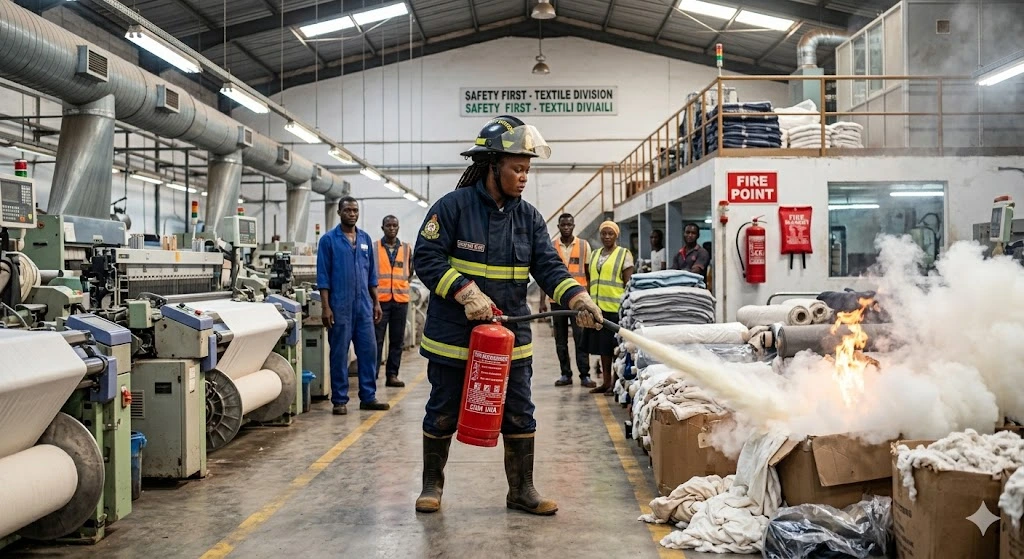
Using the wrong extinguisher can worsen a fire and increase danger. By understanding the Fire extinguishers types and their uses, schools, homes, and workplaces can improve fire preparedness and save lives.
Investing in fire safety equipment, regular maintenance, student awareness, and proper extinguisher placement is one of the best ways to reduce fire-related risks and keep institutions safe.