
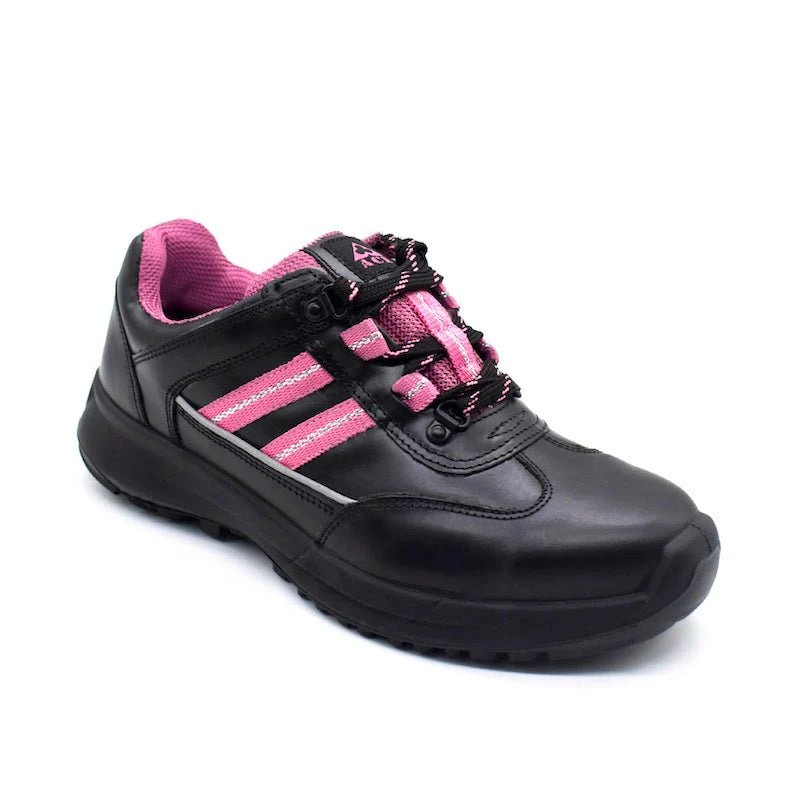
Safety Boots: How to Select Durable, Comfortable Work Footwear
When it comes to workplace safety, safety boots stand among the most essential pieces of protective gear. Whether you work in construction, manufacturing, warehousing, landscaping, or any environment where hazards are present, the right protective footwear can make the difference between a normal workday and a serious injury. With technology evolving and industries demanding higher safety standards, understanding what makes work boots effective—and why they should never be overlooked—is more important than ever.
In this guide, we explore everything you need to know about safety boots: why they matter, how to choose the right pair, the different types available, and how they contribute to long-term health, comfort, and performance at work.
What Are Safety Boots and Why Do They Matter?
Safety boots are specially designed footwear that protect the feet from workplace hazards such as falling objects, cuts, slips, extreme weather, chemical spills, and electrical risks. Unlike ordinary shoes, these industrial boots incorporate impact-resistant materials, puncture-proof soles, slip-resistant treads, and insulating layers to safeguard workers in demanding environments.
But why are they such a big deal?
Because foot injuries are among the most common workplace accidents, often leading to downtime, medical bills, or even long-term disability. A high-quality pair of steel-toe boots, composite-toe footwear, or reinforced work shoes does more than protect you—it supports your posture, boosts productivity, and gives you the confidence to move through your tasks efficiently.
Types of Safety Boots
Not all safety boots are the same, and choosing the wrong type can defeat the purpose. Here are the major types you’ll encounter:
1. Steel-Toe Safety Boots
These are the most traditional and widely used. The steel toe cap protects against heavy impacts and compression—ideal for construction, metalwork, and heavy machinery environments. They are tough, durable, and reliable.
2. Composite-Toe Work Boots
Made from lightweight materials such as carbon fiber, Kevlar, or reinforced plastics, composite-toe boots offer similar protection without the weight of steel. They are perfect for electricians and security-sensitive workplaces because they don’t conduct electricity or trigger metal detectors.
3. Alloy-Toe Protective Footwear
These boots use lightweight metal alloys like titanium or aluminum. They provide strong protection but remain lighter than steel, making them a good balance between durability and comfort.
4. Metatarsal Guard Boots
For environments where the top of the foot risks injury, met guard boots offer extra protection beyond the toe area. They are essential in mining, logging, and environments where objects might fall or roll onto the foot.
5. Slip-Resistant Safety Shoes
These are especially useful in hospitality, healthcare, and food processing industries. The specialized sole patterns help prevent slips on wet, oily, or smooth floors.
6. Electrical Hazard (EH) Boots
Designed with insulation that reduces the risk of electric shocks, EH-rated footwear is crucial for electricians, utility workers, and engineers working around wiring or electrical systems.
Understanding the differences helps you pick the right tool for the job—because safety boots are tools, just like helmets or gloves.
Key Features to Look for When Choosing Safety Boots
When selecting the best safety footwear, it’s important to consider features that go beyond just toe protection. Below are the most important aspects to keep in mind:
1. Toe Protection
Choose between steel, composite, or alloy depending on your work environment and comfort needs.
2. Sole Construction
Look for the following:
-
Puncture-resistant midsoles to protect against nails or sharp objects
-
Slip-resistant outsoles for better traction
-
Shock absorption to reduce foot fatigue
3. Waterproofing and Weather Resistance
Workers in outdoor environments benefit from waterproof boots that keep feet dry in rain, mud, and harsh weather.
4. Breathability
Sweaty feet are uncomfortable and can cause blisters or fungal infections. Materials like mesh lining and moisture-wicking fabrics enhance airflow.
5. Comfort and Fit
A boot may be safe, but if it’s not comfortable, productivity suffers. Look for:
-
Cushioned insoles
-
Ergonomic design
-
Lightweight materials
-
Proper ankle support
6. Durability and Material Quality
High-quality leather, reinforced stitching, and abrasion-resistant surfaces ensure the boots last longer under tough conditions.
Why Safety Boots Improve More Than Just Protection
Many workers think of safety boots only as a protective necessity, but there’s more to them. A good pair can actually improve:
1. Posture and Spinal Health
Supportive footwear helps maintain proper body alignment. This reduces strain on the back and joints, especially for people who stand or walk for long hours.
2. Productivity and Confidence
When workers know their feet are safe, they can move with confidence—lifting, walking, and performing tasks faster and more effectively.
3. Long-Term Health
Chronic foot pain can lead to knee, hip, and lower back issues. Quality work boots provide cushioning and support that reduce these risks.
How to Maintain Your Safety Boots for Longer Life
Even the most durable safety boots require proper care to maximize their lifespan. Here’s how to keep them in top condition:
1. Clean Regularly
Remove dirt and debris after each use, especially if exposed to mud, chemicals, or cement.
2. Condition the Leather
Use leather conditioners to prevent cracking and maintain water resistance.
3. Inspect for Damage
Check the toe cap, soles, stitching, and inner padding regularly to ensure they remain intact.
4. Allow Proper Drying
Never dry boots directly under heat (like on a heater or fire). Let them air dry naturally to avoid material damage.
5. Replace Insoles Periodically
This maintains comfort and hygiene, especially for high-use environments.
Choosing the Right Safety Boots for Your Industry
Different industries come with different risks. Here’s a quick guide to help you choose wisely:
-
Construction: Steel-toe or composite-toe boots with slip-resistant soles
-
Manufacturing: Metatarsal guards and puncture-resistant soles
-
Electricians: Composite-toe, EH-rated boots
-
Healthcare & Hospitality: Lightweight, slip-resistant safety shoes
-
Landscaping: Waterproof, durable, shock-absorbing boots
-
Warehousing & Logistics: Comfortable, cushioned toe-protection footwear
Matching the boot type to the work environment ensures maximum protection and comfort.
Safety Boots Are an Investment—Not an Expense
At the end of the day, safety boots are more than just footwear—they’re a critical line of defense against workplace hazards. Whether you choose heavy-duty steel-toe boots, lightweight composite footwear, slip-resistant shoes, or shock-absorbing industrial boots, the right pair will protect you, support your movement, and enhance your performance.
Invest in your safety. Invest in comfort. Invest in long-term health.
When it comes to choosing protective footwear, choose wisely—because your feet carry you through every challenge your job throws at you.