
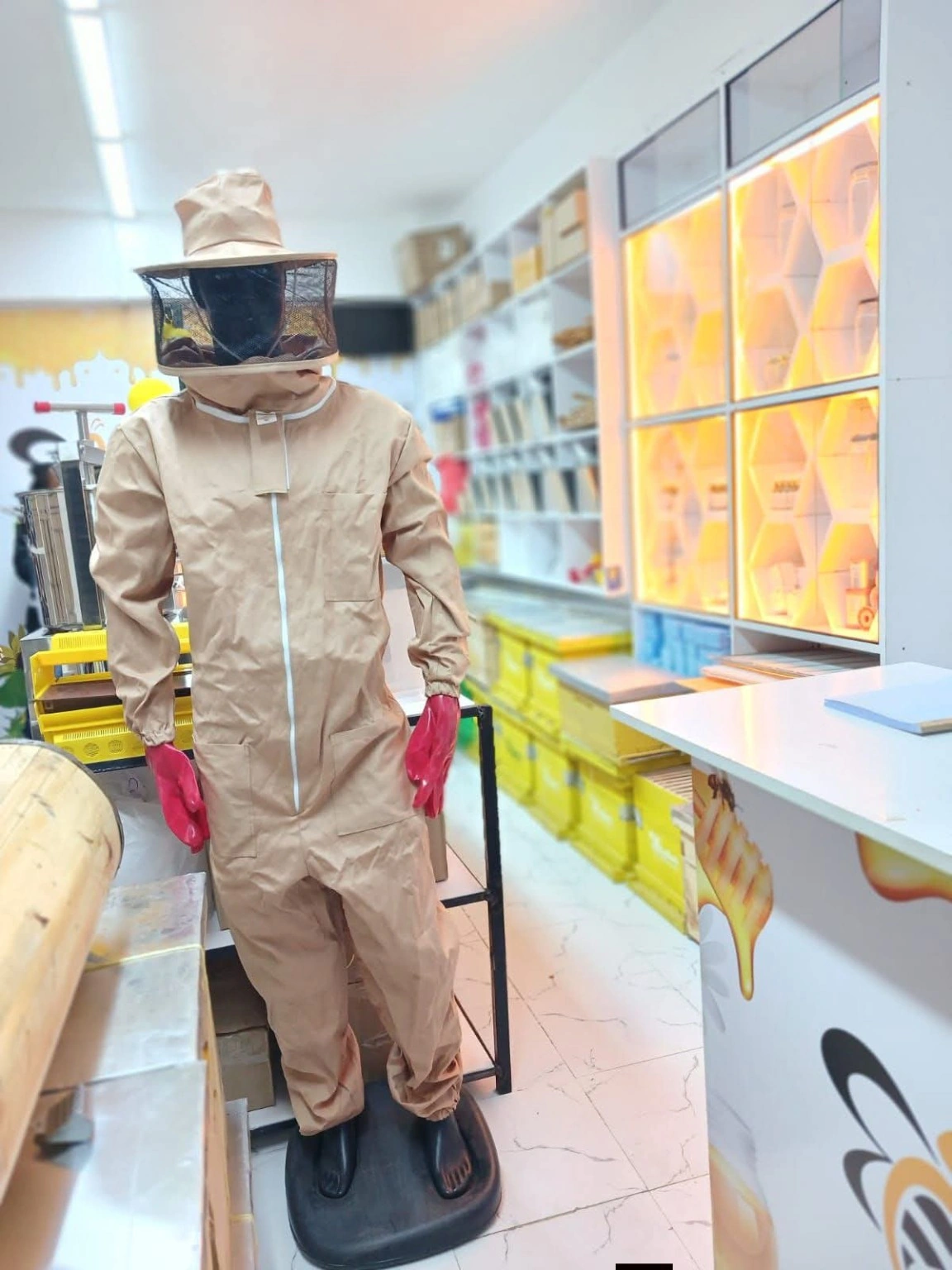
What Is a Beekeeper Suit?
Beekeeper suit is essential protective clothing for beekeepers working around active bee colonies. Designed to provide practical body coverage, it can be used during hive inspections, honey harvesting, colony management, and routine apiary activities. Whether you are a professional beekeeper, farmer, or beginner, suitable protective clothing can help you work around bees with greater confidence and comfort.
Beekeeping requires careful handling of bees and appropriate protective equipment. Suitable clothing can help reduce direct exposure while allowing the beekeeper to carry out important tasks around the hive.
Whether you are an experienced beekeeper, a farmer starting an apiary, or a beginner learning about beekeeping, having appropriate protective clothing is an important part of preparing for hive-related work.
If you are looking for a beekeeper suit in Kenya, Jakagwa Investments provides protective equipment for beekeepers, farmers, and agricultural users.
5 Essential Features of a Beekeeper Suit
1. Protective Body Coverage
A good beekeeper suit provides practical coverage for the body when working close to bee colonies. The design should help minimize exposed areas while allowing the wearer to move comfortably during normal beekeeping activities.
Protective coverage is particularly useful when opening hives, inspecting frames, managing colonies, and harvesting honey.
2. Comfortable Design
Beekeeping can require spending considerable time around an apiary, making comfort an important consideration.
When choosing protective clothing, consider:
- Fit and size
- Material
- Ventilation
- Freedom of movement
- Coverage
- Ease of use
A comfortable garment allows the beekeeper to concentrate on hive management rather than being distracted by restrictive clothing.
3. Suitable for Different Beekeeping Activities
A beekeeper suit can be used during a variety of routine apiary activities, including:
- Hive inspection
- Honey harvesting
- Colony management
- Apiary maintenance
- Hive installation
- Bee management
- Beekeeping training
The level of protection provided depends on the product’s design, construction, and proper use.
4. Helps Improve Confidence Around Bees
Appropriate protective clothing can help beekeepers feel more confident when approaching and inspecting active colonies.
However, protective clothing should always be combined with proper beekeeping knowledge and safe handling techniques. It is not a replacement for training or responsible bee management.
5. Suitable for Beginners and Professionals
Protective clothing can be useful for both new and experienced beekeepers.
Beginners can use suitable equipment while learning how to inspect and manage colonies, while experienced beekeepers can incorporate protective clothing into their regular apiary equipment.
Why Choose a Beekeeper Suit?
Bees are important pollinators and play a major role in agriculture and the environment. At the same time, working directly with bee colonies requires appropriate precautions.
Protective clothing provides a physical barrier between the beekeeper and the bees. This can be particularly helpful when carrying out tasks that require close contact with hives.
A suitable beekeeper suit should be used together with appropriate beekeeping practices. Users should understand bee behaviour, learn safe hive-handling techniques, and use the correct equipment for their particular activity.
For additional information about bees and pollination, visit the Food and Agriculture Organization of the United Nations (FAO).
Who Can Use a Beekeeper Suit?
A beekeeper suit may be useful for a wide range of people involved in beekeeping and agriculture.
Potential users include:
- Commercial beekeepers
- Small-scale farmers
- Apiary owners
- Agricultural workers
- Beekeeping students
- Hobby beekeepers
- Beekeeping trainers
- Beginners establishing their first hive
The protective clothing should be selected according to the user’s needs, working environment, and the type of beekeeping activities being performed.
Choosing the Right Beekeeper Suit in Kenya
When purchasing a beekeeper suit in Kenya, consider several factors before making your decision.
Fit and Size
Choose a size that provides suitable coverage while allowing comfortable movement. Clothing that is too tight can restrict movement, while clothing that is excessively loose may be inconvenient during hive work.
Material
Consider the material and construction of the garment. Your choice may depend on the local climate, frequency of use, and personal comfort preferences.
Ventilation
Kenya’s warm climate makes ventilation an important consideration. A design that allows appropriate airflow can improve comfort, particularly during extended periods of apiary work.
Coverage
Look for clothing that provides adequate coverage for your intended activities. Pay particular attention to openings around the wrists, ankles, neck, and other areas.
Visibility and Movement
Good visibility and freedom of movement are important when handling hive equipment. Protective clothing should allow the beekeeper to move comfortably while carrying out routine tasks.
You can explore other agricultural and protective products from Jakagwa Investments for additional equipment and supplies.
Safe Use and Maintenance
Before entering an apiary, inspect your protective clothing to ensure that it is in good condition.
Check for:
- Tears or holes
- Damaged seams
- Broken fasteners
- Loose components
- Damaged zips
- Openings that could reduce coverage
The garment should be properly worn and secured before approaching a hive.
Beekeepers may also require other protective equipment depending on the activity, including gloves, suitable footwear, head protection, and other beekeeping tools.
After use, inspect the clothing again and clean it according to the manufacturer’s care instructions. Regular inspection and proper maintenance can help keep protective equipment in good condition.
For general information about pollination and bees, the FAO pollination resources provide useful educational information.
Why Choose Jakagwa Investments?
Jakagwa Investments provides products and equipment for customers in Kenya looking for practical solutions for agricultural and professional applications.
If you need protective clothing for your apiary, Contact – Jakagwa Investmentsto confirm current availability, sizes, pricing, and delivery options.
You can view more products from Jakagwa Investments to discover other agricultural and professional equipment available from the company.
If you have questions about this product, Contact – Jakagwa Investments for information about availability and ordering.
Frequently Asked Questions
What is a beekeeper suit used for?
A beekeeper suit provides protective body coverage when working around bee colonies. It can be used during hive inspections, honey harvesting, colony management, and other apiary activities.
Is a beekeeper suit suitable for beginners?
Yes. Protective clothing can be useful for beginners learning how to manage bee colonies. Beginners should also receive appropriate training in safe beekeeping practices.
What other equipment do beekeepers need?
Depending on the activity, beekeepers may require gloves, suitable footwear, a smoker, hive tools, protective headgear, and other apiary supplies.
How should beekeeping protective clothing be maintained?
Inspect the clothing before and after use. Clean it according to the manufacturer’s care instructions and regularly check for tears, holes, damaged fasteners, or other defects.
Where can I buy a beekeeper suit in Kenya?
You can Contact – Jakagwa Investments Jakagwa Investments to check current availability, sizing, pricing, and delivery options for protective beekeeping clothing in Kenya.
Get Your Beekeeper Suit in Kenya
If you are searching for a beekeeper suit in Kenya, Jakagwa Investments can help you find suitable protective clothing for your beekeeping activities.
Whether you are establishing an apiary, managing an existing colony, or starting your beekeeping journey, suitable protective equipment is an important part of preparation.
Before purchasing, check the available sizes, materials, design, and product specifications to ensure that the garment meets your requirements.
For current availability, pricing, and delivery information, Contact – Jakagwa Investments today.
Choose suitable protective clothing, learn proper bee-handling techniques, and follow safe beekeeping practices whenever working around active colonies.
Reviews
There are no reviews yet.